All Shoppers are NOT Created Equal:
The Automobile, the Supermarket, and the Inequity in Poughkeepsie Food Access
By Justin Soderholm
The City of Poughkeepsie experienced a detrimental blow to its food security
on March 7, 1992, when the last of its supermarkets, a Grand Union, closed
its doors. For decades now, the City of Poughkeepsie has been struggling to
make obtaining fresh food easy and convenient for local consumers. Most food
suppliers have now relocated to the suburban Town of Poughkeepsie. Yet, only
1 out of every 4 families in the City of Poughkeepsie has their own means
of transportation and all of these families either need to take a car, bus,
or taxi to avoid attempting a treacherous walk across busy highways in order
to complete their heavy-duty shopping outside the city limits. Even though
crime plagued the Grand Union and its produce was notorious for being “virtually
inedible,” the supermarket provided proximate food access for senior
citizens with impaired mobility or those of all age brackets lacking personal
transportation. Public forms of transportation in the city either do not cater
to weekly shopping needs or detract an exorbitant sum from many families’
already limited income. Sensible and ready access to fresh, healthy foods
must be provided to residents of the city regardless of their transportation
accessibility.
The modern supermarket
works under the assumption that it does not need to be at its patrons’
doorsteps. The rising popularity of the automobile in the past half-century
has maintained a steady supply of customers for the modern supermarket. But
those who once enjoyed cities’ walking-distance proximity to local shopping
no longer have feasible destinations to walk to. Therefore, since many city
residents cannot be expected to regularly conduct their shopping outside of
the city limits, stores selling affordable, healthy, and fresh foods must
reopen in the heart of Poughkeepsie.
Poughkeepsie Before and After the Automobile
There once was a time
when owning an automobile in Poughkeepsie was not important in order to have
access to fresh foods. Companies such as Hager and Fitchett Brothers brought
a number of meats, fruits, vegetables, and dairy products right to their customers’
doors before the automobile became a more affordable means of transport. In
1957, over 100 retail grocery stores operated in the city, a number that would
shrink by more than 75 percent in just over a thirty-year period. Independent
retailers, many of whom forged partnerships with local food producers, simply
could not compete with the volume-hungry, warehouse-driven supermarkets expanding
their dominance over the main arteries of greater Dutchess County. In fact,
so much of the volume of Poughkeepsie shoppers shifted to the outskirts that
even some of these corporate supermarkets were unable to compete with one
another. In Spring of 2000, Stop and Shop on Dutchess Turnpike relocated to
a neighboring location, became Super Stop and Shop, and propelled the nearby
Shop Rite to close its doors later that same year. Providing consumers with
their vital food resources is now seen more than ever as an opportunity for
capitalistic gain and for competitors to overlook their responsibilities as
crucial components of the American food system and the nourishment of this
nation’s citizens.
The
Work of a Benevolent Few
Few will argue that food
is vital to the maintenance of human life, that availability of food should
outweigh profit in importance to sustaining humanity. Yet, those benevolent
entrepreneurs who attempt to make nutritious, fresh foods readily available
in sparsely-occupied commercial areas such as Poughkeepsie often find themselves
in the red, if not lucky enough to just break even in keeping their business
open. For example, Frank, the owner of the former Main Mall Green Grocer on
Main Street in downtown Poughkeepsie, worked an additional part-time job just
so he can keep his store open. “I feel [my store] serves a purpose in
the community… You get a major supermarket in here, they’re not
going to do that. They’re not going to be part of the neighborhood,”
Frank explained. The far-away corporate eye of any of its local supermarkets
exists far beyond the City of Poughkeepsie limits. Therefore, the Queen City
often relies on its own citizens, who are most directly affected by urban
food insecurity, to become an active part of the solution.
A
Global Concern
Yet, even if Poughkeepsie
is able to win over the profit-driven heart of a major chain supermarket,
the quest to provide locally sustainable, nutritious, if not organic foods
for City of Poughkeepsie citizens is by no means complete. Most produce sold
in larger grocery chains in the greater Poughkeepsie area, especially those
fruits and vegetables available out of season for the area, are imported from
numerous countries and continents where laws protecting workers’ health
and well-being may not meet the standards covering American laborers. The
table grape industry of Chile, which meets the demands of numerous American
consumers who enjoy the fruit year round, is a prime example of a food source
in which the labor standards of the United States are not applicable in protecting
workers participating in this industry.
One manner in which table
grape harvesters, packers, and otherwise seasonal employees of Chilean fruit
companies are disadvantaged by their country’s labor structure is that
they often are not directly paid and protected by the company themselves,
but rather managed through a third party known as the contratista, a middleman
who often pockets most of the capital furnished to him by the company meant
to pay the workers. If employees complain about their meager salaries, benevolent
companies can raise the regular amount of money given to the contratista,
but the contratista’s mercy is the ultimate deciding factor of the employees’
fate. Such a disadvantageous system of company-employee relations in Chile
is fairly common and there is no promise that this system will be eradicated
in the near future.
What’s
Already There and Where It Can Lead Poughkeepsie
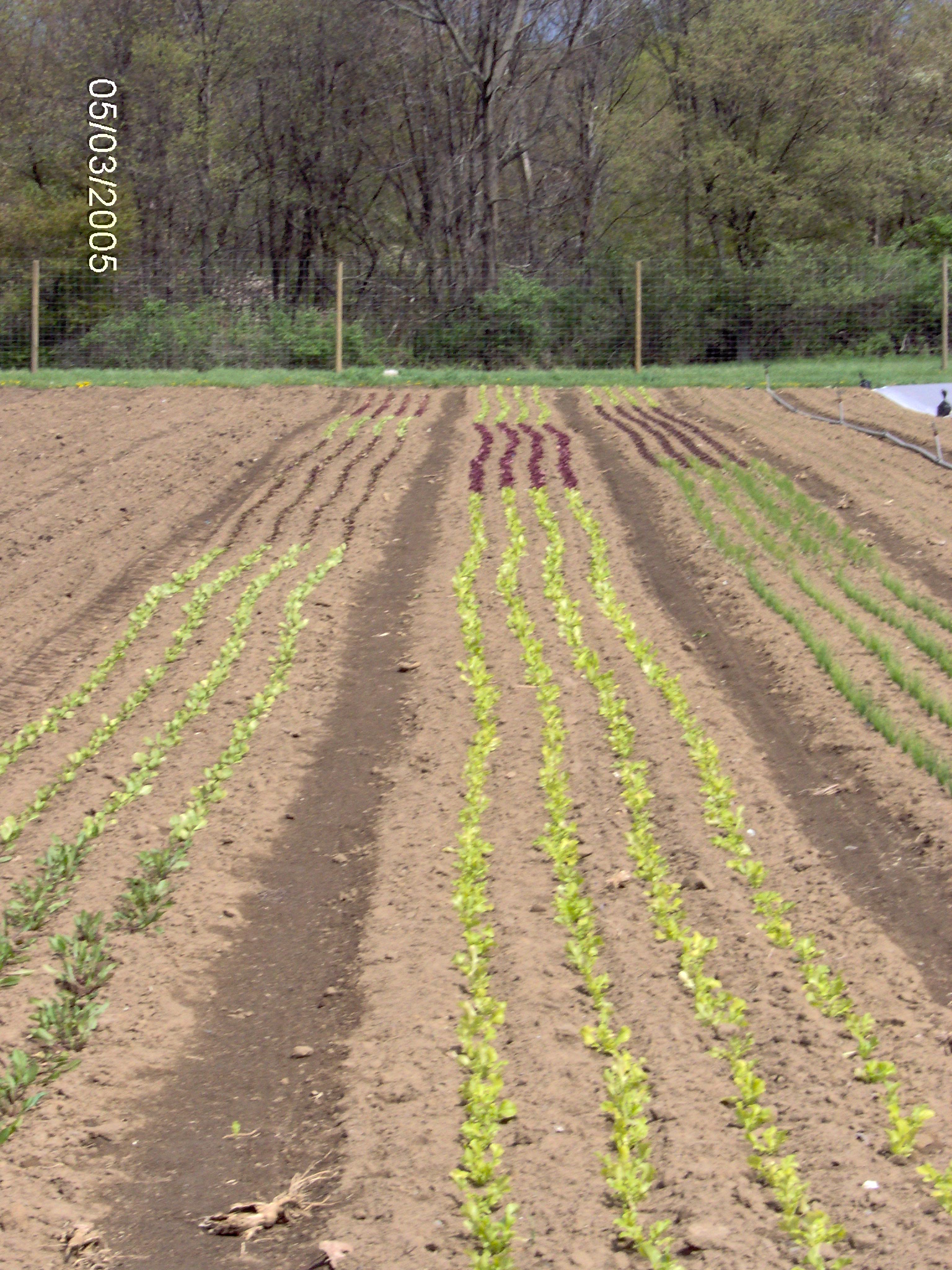
Agricultural rebirth and
revitalization are no longer tucked away neatly in a far-off corner of the
City of Poughkeepsie on the Vassar College Farm. In fact, a walk near Poughkeepsie’s
most troubled neighborhoods near Tubman Terrace Houses or Columbus Elementary
School are proud owners of bright, lively gardens constructed by the youth
of various Poughkeepsie neighborhoods. Each week in a classroom of Poughkeepsie
High School, a dozen students interested in gaining hands-on experience and
employable skills at the Poughkeepsie Farm Project (PFP) congregate to learn
about charity and social change before they show up bright and early at the
farm each summer morning for a rewarding day’s work. The same Poughkeepsie
High School students working at PFP are tending the local farmer’s market
in the heart of Poughkeepsie’s Main Street shopping district during
the summer months through the Green Teen component of Cornell Cooperative
Extension. Community residents do, though only at the moment for the summertime
interim, have some access to local, fresh, community-supported foods.
The potential for recent
progress to carry itself further is out there. Poughkeepsie youth will continue
to take charge of planting gardens in their neighborhoods as a means of showing
their adult neighbors that citizens of all ages can play a vital role in investing
in their community. The farmer’s market can inspire many other community-staffed,
community-supported food security measures that can bring more shoppers back
onto the eager revitalized sidewalks of downtown. Supermarkets are owned and
operated by company heads based in locations far away from the communities
they serve. Community-based endeavors are just the opposite. Not only does
community-supported fresh food access make healthy food choices available
in the heart of the community; it offers food from the heart. Try finding
that at your local supermarket.